Column · @edwinojfu319
Hot vs Cold Water Pressure Washing: Key Uses Explained
Choosing between hot and cold water pressure washing depends on the dirt you need to remove and the surface underneath it. For Bondi homes, strata properties and businesses, cold water usually suits loose dirt and sand, while hot water is particularly useful for grease and oil. Neither method is automatically safe for every material: pressure, nozzle choice, cleaning products and operator technique all matter.
How Hot and Cold Water Pressure Washing Differ
Cold water pressure washing uses unheated water to dislodge contamination through water flow and pressure. Hot water equipment adds heat, helping loosen oily residues so they can be lifted and collected more effectively. Commercial hot water machines commonly operate at approximately 60–90°C, although operating temperatures vary by equipment and application.
Hotter water does not necessarily mean higher pressure. Temperature and pressure are separate settings, and an effective clean often relies on the right detergent and adequate dwell time rather than maximum force.
When Cold Water Pressure Washing Works Best
Cold water is often a practical choice for routine exterior cleaning around Bondi, particularly where contamination is not greasy.
- Concrete paths and driveways: Removing loose soil, sand and general surface dirt from sound concrete.
- Courtyards and paved areas: Cleaning accumulated grime, with pressure adjusted to protect joints and surface finishes.
- Coastal salt deposits: Rinsing accessible, compatible exterior surfaces with fresh water; high pressure is often unnecessary.
- Routine maintenance: Keeping suitable outdoor hard surfaces clean before deposits become heavily embedded.
Cold water alone may not adequately remove algae, mould or oily stains. These can require a suitable cleaning treatment, gentle agitation or a different washing method.
When Hot Water Pressure Washing Is More Useful
Hot water is especially useful where grease, oil and sticky residues bond to hard surfaces. Around Bondi’s commercial premises, it can help clean suitable loading areas, bin storage zones https://pressurecleaningbondi.com.au/about/ and greasy concrete.
Heat can improve cleaning efficiency and sometimes reduce detergent requirements, but results depend on the stain and substrate. Older oil stains may penetrate concrete and remain visible after cleaning. Hot water pressure washing is also not automatically a sanitising treatment; reliable disinfection requires a validated process with appropriate temperature, contact time or disinfectant.

Which Surfaces Need Extra Care?
Timber, Paint and Render
High pressure can splinter timber, strip paint and damage render. Heat may also affect coatings and sealants. A low-pressure wash or soft washing approach is often more appropriate, using products compatible with the surface. Do not pressure wash suspected asbestos-containing materials.
Natural Stone, Pavers and Sealed Concrete
Some stone and finishes are sensitive to heat or cleaning chemicals. Excessive pressure can erode softer materials and dislodge paving joint sand. Test an inconspicuous patch first and check the surface manufacturer’s cleaning guidance.
Managing Wash Water in Bondi
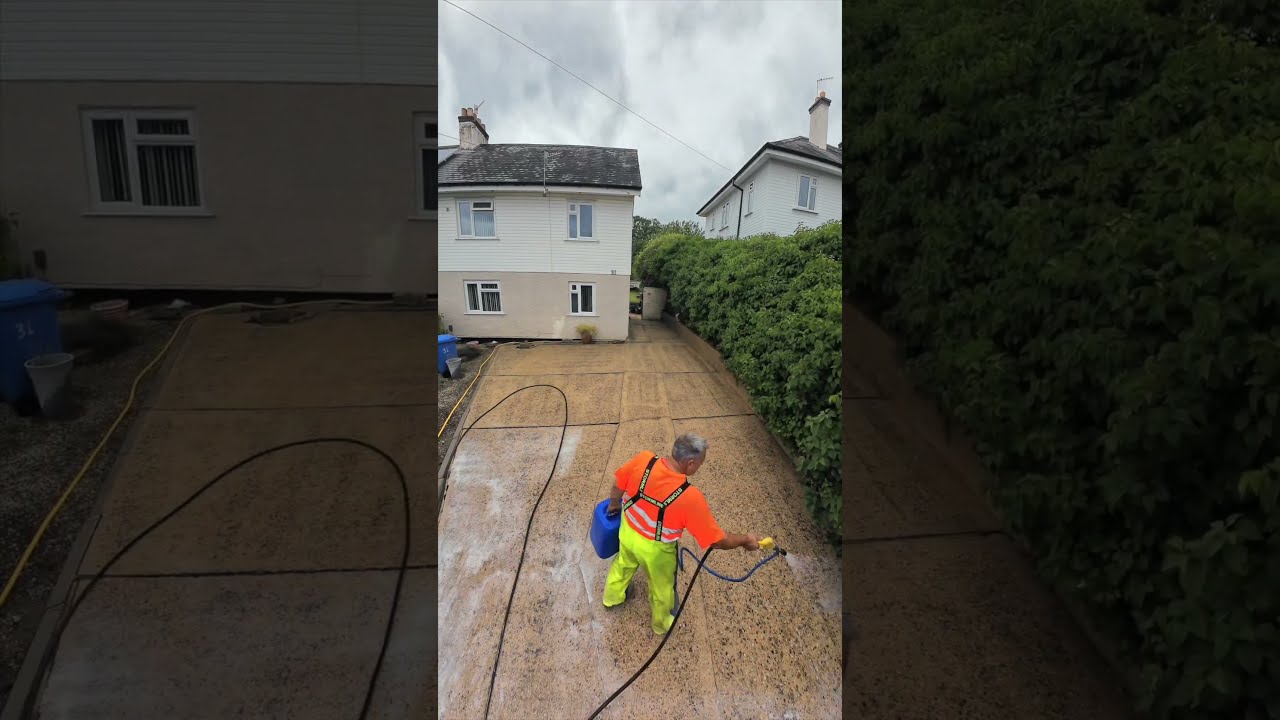
Protecting stormwater is an important part of exterior cleaning near Bondi’s beaches. Do not allow detergent, oil, sediment or contaminated wash water to enter stormwater drains. Sweep up loose material before washing, protect nearby drains and use suitable containment and recovery equipment where needed.
Check current Waverley Council guidance and applicable Sydney Water requirements before arranging disposal. Discharging recovered commercial wash water to the sewer may require trade wastewater approval. A product labelled biodegradable does not make stormwater discharge acceptable.
How to Choose the Right Cleaning Method
Start by identifying the surface, its condition and the contamination. Choose cold water for ordinary dirt and sand, and consider hot water for grease on compatible hard surfaces. Before booking a Bondi pressure washing service, ask how the operator adjusts pressure, protects coatings and captures runoff. The best method removes contamination effectively without damaging the property or polluting local waterways.
Bondi Pressure Cleaning
(02) 8550 5711